
For plastic surgeons, med spas and aesthetic clinics
We Run Your Marketing and Show You What It Put in the Bank.
We handle the ads, the website, SEO and follow-up, so you can stay focused on your patients and your practice. We follow every inquiry to the paid procedure and fix the places where patients get lost.
Skin Vitality was the #4 Botox provider in the country when they called us. By Allergan's count, they became #1.
Featured In and Speaking At




Practices We've Worked With




Sound Familiar?
You Pay Your Marketing Company Every Month.
Nobody Can Tell You What It Brought In.

Slow replies from the agency
You Reply to Patients in Minutes. Your Agency Takes Three Days to Get Back to You.
With us: Your dedicated contact gets back to you the same business day. Every time.
See If We're a Fit
Reports that never say how many patients booked
Your Agency's Report Runs Twelve Pages. Not One Line Says How Many Patients Booked.
With us: If we can connect to your CRM, or you use ours, reports count booked consults and the revenue they bring in.
See If We're a Fit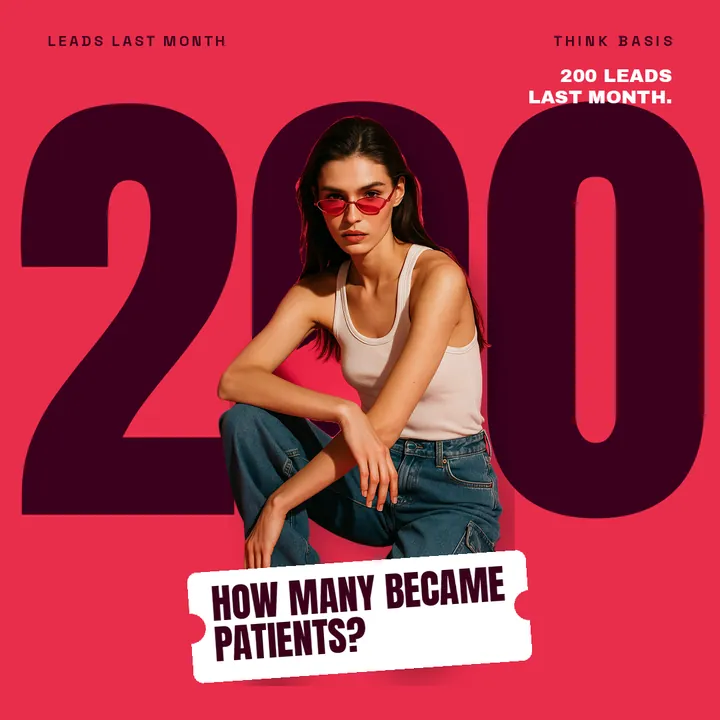
Leads that never become patients
Your Agency Reported 200 Leads Last Month. How Many Became Patients?
With us: If we can connect to your CRM, or you use ours, you see which leads became patients and what they spent.
See If We're a FitNobody is watching the inquiries you already paid for, either. The woman who filled in your form at 9 on a Sunday night hears back on Tuesday, after she's booked somewhere else. The patient who came in for a consult and didn't book that day never hears from you again. You paid to reach every one of them.
You're a surgeon, not a CMO. You shouldn't have to chase anyone to find out whether your marketing is working.
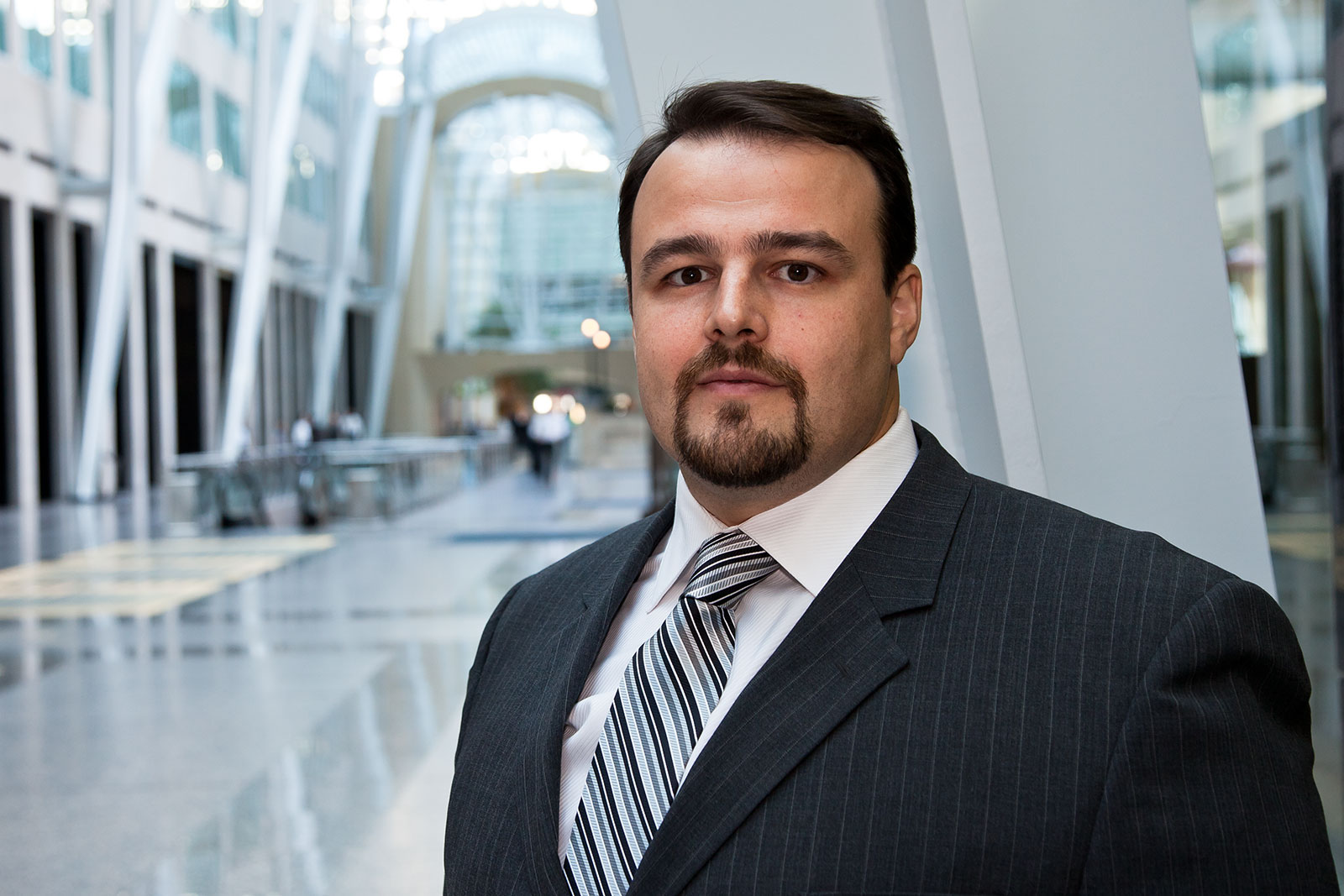
Nick Dumitru
Founder. Working with aesthetic practices since 2001. Author of "A Cut Above."
How We Work
Nick Runs Your Strategy Himself.
That's Why We Stay Small.
Nick Dumitru has worked with plastic surgeons and aesthetic clinics since 2001. He sets the strategy and reads the numbers on every account we run. That takes real time, so we take on a handful of practices, and the ones we take get his full attention when we meet.
We work as your marketing department. Google and Meta ads, search, the website, follow-up, call tracking and the offers all run through us. You approve the offers. Nobody on your team has to manage us. Our best clients let us run, and some go months without needing a meeting because the calendar is full.
Before we spend more of your money, we find where patients are getting lost: the searches you don't show up for, the inquiries nobody returns, the consults that leave without booking. We fix those first.
"They come up with all the marketing ideas, implement them, roll them out and put money in your bank just by hiring them. Working with Nick is like working with an Olympic-level coach when you're a beginning athlete with incredible talent."
Proof
Allergan and Our Clients' Own Books
Counted These Results.
Allergan ranks its accounts. Accountants close the books. Those are the numbers we work to.
#4 → #1
Botox provider in the country
Skin Vitality Medical Clinic, on Allergan's own list. They went from 4 clinics to 8 in the first two years of the engagement, and they run 14 today.
Read the case study →2.4x
Quarterly revenue, one year in
Revery Medical Aesthetics in Windsor, measured from the quarter before we started. The average laser hair removal sale grew more than six times over, and the clinic added nurses, aestheticians and two lasers.
Read the case study →72 → 125
Surgical consults a month
A plastic surgeon on Avenue Road in Toronto, during a recession. BOTOX sales rose 83% and JUVEDERM 1,200% on Allergan's numbers.
Read the case study →The Formula
Find It. Fix It. Then Grow.
Pour more traffic into a practice that loses patients and it loses more of them. So we fix the leaks before we buy more traffic.
01
Find
In the first weeks we walk the whole path a new patient takes, from her first search to the paid procedure: where inquiries come from, how fast someone answers, what happens to the ones who don't book, and what your reviews and fees tell her before she ever calls.
02
Fix
We fix the biggest leaks first. That usually means follow-up that runs on its own, tracking on every call and form, and offers built to sell. Echo, our AI sales coach, trains your front desk, so the team gets better without anyone standing over it.
03
Grow
Then we turn up the ads. The algorithm decides how many people see an Instagram post. You decide how many see an ad, and we track every dollar of it to booked patients and revenue.
The Tech
We Build Tools That Help Your Team Look After More Patients.
Plenty of clinics have automated themselves into a phone tree and a chatbot, and patients can feel it. This business runs on people. We use technology to make your people faster and better at it.
- Echo, our AI sales coach, calls your staff and drills them on the objections your patients actually raise. Every week you see who's improving.
- When a patient pays for a treatment, we tell Google and Meta. Their ads then learn to find more people like her, instead of more people who fill in a form and never book.
- Patients who don't book on the first call need someone to follow up, and at a busy clinic that gets forgotten. At Revery we built a Chrome extension on top of their CRM, the software that keeps track of every patient and inquiry. Each morning it shows every staff member the patients they need to follow up with that day. The doctor can assign a follow-up to anyone on the team, and the team can assign them to each other.
- Websites that load fast and stay up.
Custom work doesn't stall us. If your practice needs something that doesn't exist yet, we build it.
Who It's For
We Take a Handful of Practices at a Time.
Our clients are established plastic surgery practices, med spas and aesthetic clinics doing roughly $500,000 to $30 million a year, ready to invest in growth for at least a year. Smaller than that, our fee would eat too much of your revenue to make sense. Much bigger, and you can build this in-house. We'll tell you which one you are.
There's no long-term contract. The first engagement runs three months, and after that we earn every month the same way. We don't offer guarantees either, because the result depends on both of us. We'll do our part, fast. You approve the offers, answer the patients and show up for the consults we book.
Running a private equity firm or a multi-location group? That's a different engagement. Read about Advisory.
Is Your Practice a Fit?
We take on a handful of practices at a time. Tell us where yours is and what's in the way. If it's a fit, we'll set a time for you to meet Nick Dumitru, our founder, who has worked with plastic surgeons and aesthetic clinics since 2001.
See If We're a Fit